You heard about the Tulip Madness that took place in the Netherlands in the century 17th. For millennia century, there were many speculative crazies similar to these madnesses.
Those that have come true and fail, financial bubbles, promises, public perceptions and completely imaginary technologies… The history of technology is full of many disgraces as well as many successes. So why don’t we take a look at these.
Technology Bubbles

Bubbles in the history of technology are periods of hype (excitement) that occur as a result of the exaggeration of a product or technology with much greater expectations than its true potential. Many examples have been seen in the last century, and we have even witnessed some of them directly.
In this article, I will examine these examples in three main categories. Because I need to beat some bubbles less because there are those who turn into goodwill disasters, while there are those who are in the wrong place at the wrong time; It is necessary to keep the charlatans apart from them. However, I can’t be sure if the expectations were really high in most of them, or if it was chimpanzees with insane speculation. Still, I can roughly sort it like this:
- Attempts that became real with great expectations but failed,
- Technologies that do not fully materialize or that are exaggerated and turn into disappointment,
- Financial technology bubbles (speculative market crazes).
Many of the examples are unique with their emergence period, promises, media and investor reactions. I will also mention why these unique bubbles are bubbles and how they collapse. And I’ll address the short-term or lasting effects of some of them.
1. Those Who Have Come True And Fail Despite Great Expectations
In this category, there are technology products and initiatives that were launched and created great excitement in a certain period, but failed to fulfill their promises and resulted in a fiasco. Often these projects, although they have actually been released, are referred to as “bubbles” either because of the technical failure or because the market rejects them.
Google Glass — Wearable Technology Hype and Disappointment
I wanted to put the biggest one and this project, which I have followed since childhood, to the top, Google Glass and the school of wearable technology it promises.
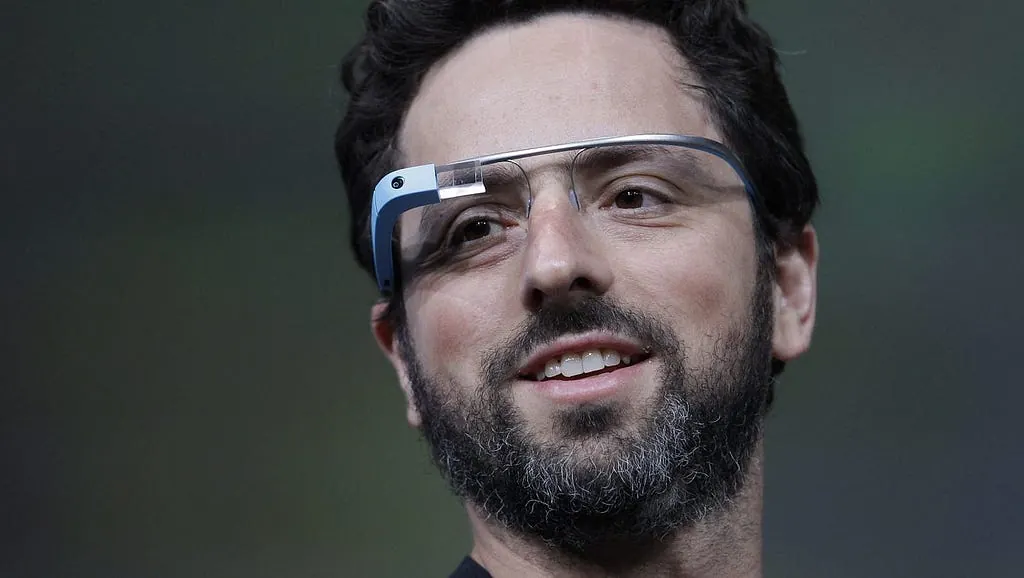
Google Glass was first announced in 2012 as Google’s augmented reality smart glasses project, and in 2013, the “Explorer Edition” version was distributed to a limited number of developers and enthusiasts for $1,500. The glasses aimed to provide the experience we are used to from smartphones hands-free by projecting real-time information, notifications and media content into the user’s field of view with a fundamentally integrated screen and camera. By the way, the period when it was announced was the first golden age of smartphones.
Today, while accessing the voice assistant with “OK Google”, it had the features of a voice assistant whose foundation was then called “OK Glass”, step-by-step directions and environmental interaction; It had features such as being able to show and respond to e-mail, message, agenda alerts instantly.
In fact, it promised to change the smartphone experience by providing digital information at your eye level. Through a small prism screen, it can project texts, notifications, maps to the user’s point of view; this device, which could take photos and record videos with voice commands and connect to the Internet, was seen as a step to start the era of “wearable computers”. According to Google’s vision, Glass users would take navigation directions from their glasses, instantly share photos/videos, read and reply to messages while walking — and hands-free. This was a breakthrough that we could consider a science fictional even for that time, and it was rightly touted as the technology of the future.
Initially, the media showed great interest in Glass, of course, because the company started the smartphone era thanks to Android. In 2012, when Sergey Brin posed for the press with prototype glasses, the headlines were “Bringing the future with Google glasses”. In 2013, early users (Explorers) shared their experiences, the technology press enthusiastically conveyed it. However, soon a reaction began to occur in the society and the media. The biggest concern was that Glass had a permanently open camera on it. Many people feared that those who wore these glasses might shoot unannounced videos; some bars and restaurants expressed their privacy concerns, hanging “Google Glass is prohibited” announcements. In fact, it was even called “Glasshole” in English because it was thought that those who wear Glass had an uncomfortable look around and did not respect privacy. Although investors were initially excited, support within Google also declined as the product’s broad adoption signs were weak. Although this device was also available in some countries, including the UK in 2014, the expected consumer launch was never fully in the line; in January 2015, Google announced that the production of Glass in its current form had been discontinued. Although the project continued with a focus on corporate use in the following years, Google Glass has completed its life as a public product. After all, due to public reaction and usage difficulties, Glass was lifted off the shelf before it could realize the expected consumer revolution.
I can say that there are several critical factors that cause Google Glass’s failure, these are price, privacy, and experience of use.
First, a very high price of $1,500 prevented it from reaching large audiences; most people did not want to pay this amount and install a device that drew social reaction.
Second, the potential for camera and facial recognition created serious privacy issues — people were getting nervous if someone was wearing Glass next to them.
Thirdly, the practical utility of the device was limited: short battery life, limited applications, and factors such as the person wearing it looking quirky did not make Glass attractive in everyday life.
As a matter of fact, Google admitted that Glass remains a “strange and expensive” toy from a social point of view. In the official statements, it was said that although the project was stopped, technology was not abandoned, at this point it can even be said that it caused an era that is heading towards VR glasses.
The disappointment created by Glass reminded the technology sector of the importance of user feedback and social norms. In the short term, Google repositioned the project to compensate for the loss of reputation, and other companies developing similar products (e.g. Microsoft HoloLens) has taken more careful steps. Thanks to Glass’s experience, it has become more focused on privacy and design in augmented reality glasses.
In the long run, the dream of consumer-facing smart glasses hasn’t completely died — VR, AR, XR products like Oculus, Snap Spectacles, or Apple Glass were shaped by lessons learned from Google Glass.
The Glass fiasco, in my opinion, along with other bubbles such as 3D TV, took the top corner in our literature as an example of how technological innovations can rigup when human factors are not observed before they are introduced to the market.
Segway — Personal Transport Revolution
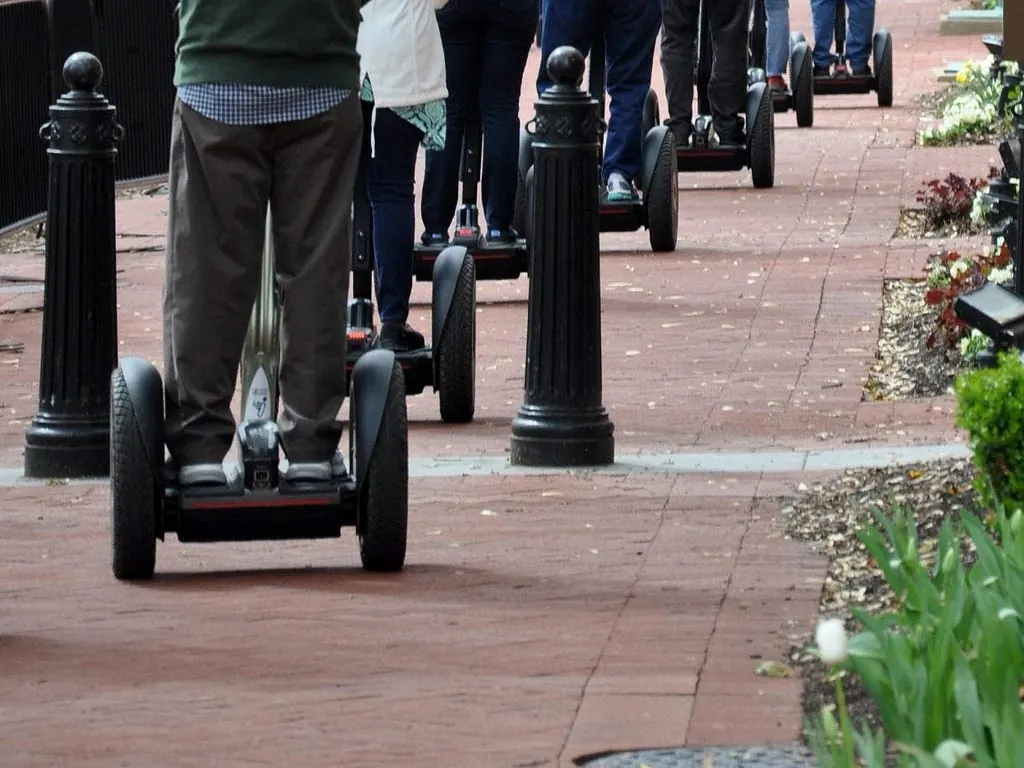
The Segway, the two-wheeled personal transport vehicle “Segway PT”, was first introduced to the public in December 2001 after a campaign of great curiosity. Its inventor, Dean Kamen, showed this self-balancing electric scooter to the whole world on the Good Morning America program. Segway, which went on sale in 2002 at a price of about $ 5,000, managed to stay in the market throughout the 2000s, albeit limited. However, the expected revolution never materialized, and Segway production was completely discontinued in July 2020.
There were incredible rumors about Segway before it was released. It was claimed that this device, code named “Ginger”, would radically change urban transportation, and that people would now roam with Segway instead of walking or driving. In fact, the famous entrepreneur John Doerr predicted that Segway would be “the product that exceeded the fastest $1 billion sales threshold in history” and create an impact “even bigger than the Internet”, what a prediction. The expectation was so high that Kamen calculated that 10 thousand Segways would be sold per week at the end of 2002, which was half a million devices a year. Moreover, Segway, according to his promises, would be a technological revolution that would even change the structure of cities. It can even be said that it was the biggest revolution after public transportation.
In the pre-promotion period, the media and the public were shaken with clues about Segway. In 2001, Time magazine called the device “Miracle Vehicle”, and even technology leaders such as Steve Jobs and Jeff Bezos commented on the prototype foreseeing it. While Bezos found the product “great but practically difficult”, Jobs said that the infrastructure of the USA was not suitable for this tool. At the first demonstration, the device was technically impressive, self-balancing, guided by body movement. It was found to be so impressive that many early adopters (Apple founder Steve Wozniak was also on this list) bought it. Despite this, there was a distance from the Segway in the general public. Although the headlines of “that miracle invention that will make you forget to walk” were made in the press, investors were disappointed in the sales figures due to the high price and legal uncertainties.
The main reason Segway failed was the ignoring of social and practical facts. The technology was working but human behavior and infrastructure were not taken into account, especially the lack of legal regulations (which we are talking about the same for scooters today — the problem of whether the device will be used on the sidewalk or on the road) caused prejudices and reservations about the use of the device. The device was fast and heavy for pedestrian sidewalks and slow for roads; in many cities, users did not know where to go on the street because its legal status was not directly clear. Also, despite the price tag of about 5 thousand dollars, the benefit it offered was not far superior to a bike or walking. Therefore, not even 1% of targeted sales were reached in the first 5 years — for example, at the end of 2002, while the targeted sales were 10,000 per week, Segway was able to sell only 30 thousand units in six years.
Financial problems also caused the company to change hands several times. In 2015, Wired magazine published an article declaring Segway “dead” because the device had become a technology joke, just as Java became a death joke in the programming world for a while.
Ultimately, in 2020, the new owner of Segway company completely stopped production, announcing that the sales of this vehicle accounted for only 1.5% of their total revenue and were no longer economical. The once “transport revolution” left the scene after 20 years, referred to as the niche tool of security guards and tourist tours.
I can say that the most basic conclusion that Segway’s failure has added to us was that it confirmed the saying that “every innovation does not mean revolution” in the technology world. In the short term, Segway found a niche of use, especially in the field of security and tourism (such as airport police patrols, city tourist trips). Its lasting effect was an indirect contribution to the development of the micro-mobility concept. Segway’s technology legacy laid the way for personal vehicles like electric scooters and hoverboards that we see today; people perhaps adopted more practical little scooters instead of a two-wheeled giant device. Even if there are still legal reservations and regulatory deficiencies about scooters, the understanding of the importance of user habits and the regulatory environment with Segway, bringing scooters above it, showing entrepreneurs that not just engineering marvel is not enough, but social cohesit is also a must.
Juicero — High-Tech Juicer Fiasco
This seems a strange fiasco to me. It is a good example of what can happen to you when you make ideas that sometimes look good by making an obsession while making an investment because what we have is about Juicero.

It was a product introduced to the market in 2016 and gained a reputation as one of the most sensational kitchen appliances in the history of Silicon Valley. Founded by an entrepreneur Doug Evans, the company has developed a device that is connected to the internet and produces cold-pressed juice with one button. Yes, you heard right, cold squeeze juice device… I try to think I’m an investor, but I can’t get into that role. I think this invention, which is so ridiculous and unnecessary, went on sale in 2016 at a price of $699, and it received a large investment of $120 million in total until the beginning of 2017. But it lasted as long as a fruit squeeze; the company lowered the shutter in September 2017, just 16 months after the launch.
What Juicero promised was that you could place special packages with chopped fruit-vegetable purees on their device and get freshly squeezed juice with one click. In other words, cutting fruit at home, without the trouble of cleaning, producing high-quality cold-pressed (retaining nutritional value) fruit juice in the convenience of a capsule coffee machine… The device also promised “smart” features such as checking the freshness date of packages with Wi-Fi connection, showing nutritional information in practice. In short, Juicero claimed that it would bring innovation to kitchens by combining technology and healthy lifestyle trends.
At first, investors and the press in Silicon Valley had a very positive approach to Juicero. Google Ventures and famous capitalists shored millions into the project. The company, which was praised in publications such as the New York Times, was touted as an example of a “revolution in food technology” in 2016 and early 2017.
However, this bubble was popped by Bloomberg News. In an experiment conducted by Bloomberg, journalists managed to obtain almost the same speed and amount of juice by manually squeezing Juicero packets without putting them in the device. This news and published videos went viral on the internet. Juicero became the subject of ridicule in the media, users made fun of the company by saying “This machine worth $400 is actually weaker than both hands”. While investors were shocked, Juicero’s founder Doug Evans compared himself to Steve Jobs and praising that the device had 4 tons of printing power, the criticism increased.

Juicero exploded because the promise of the product was meaninglessly exaggerated. There was actually a serious technology (the device really had a powerful press mechanism compared to the volume of units), but the problem it solved was too small to be non-e — because the same juice could also be obtained by hand after the package was squeezed. Despite the price tag of $699, the device did not offer the user more than they could do by hand. After Bloomberg’s disclosure video, the company’s image was damaged in a way that could not improve. Juicero first tried to reduce the price of the device to $400, then stopped production in August 2017 and announced that it had completely terminated its operations in September 2017. In this process, he tried to return his money to thousands of his customers, but the reputation was already destroyed. As a result, Juicero went down in history as one of Silicon Valley’s most ridiculed failures.
The collapse of Juicero has pushed investors and entrepreneurs to question the real consumer need in the short term, especially in hardware projects. This fiasco revealed the fact that “high technology does not always produce a solution that is needed”. On social media, Juicero has been referred to as a ridiculous example every time his name is mentioned, and it has become a symbol of how disconnected the Silicon Valley is able to pursue innovations from time to time. If we look at its permanent effects: investors began to approach similar “smart kitchen appliances” projects more cautiously after this incident. Juicero also showed that consumers will not invest money in a product without looking with a simple question — “What problem does this tool solve for me?” In short, I can say that the Juicero bubble has served as an expensive lesson for the technology sector.
2. Technologies that don’t realize or exaggerate and turn into disappointment
In this category, I am talking about technologies whose concrete product consists of lies, although it is treated as if it has not reached or has reached a large audience as a concrete product. Among them, there are technological dreams that have been in popular culture and media for many years with excessive expectations. Issues such as flying cars, personal jetpacks or holographic home theaters have often been exaggerated, thinking that they will be part of our lives in the future; but either did not materialize due to technical obstacles, or did not have the expected effect when tried. However, I will start with the company of our big-eyed sister with fraud and the damage she caused to public health.
Theranos — Allegation of Revolution in Blood Test
One of the biggest scientific technology scams, Theranos is a health technology initiative founded in 2003 by 19-year-old Stanford dissignant Elizabeth Holmes. Especially in 2013–2014, it became one of the brightest startups in Silicon Valley, reaching a market value of about 9 billion dollars.

The company claimed to have developed a compact device that could quickly and cheaply perform hundreds of blood tests with just a drop of blood taken from the fingertip. If this technology were real, it would revolutionize blood tests and provide great convenience in the health sector. Think about it, when you give a full detailed blood test at the entrance to the job, sometimes you give 4 and sometimes 6 tubes of blood, even that is only used to do important tests. Full blood screening, on the other hand, requires 10 tubes of blood, which I remember, since I had it last month.
Holmes had drawn a great vision, constantly emphasizing that this idea would “change the world” and save millions of lives. Because she was a polite scientist who grew up in an excellent family leaving Stanford… As a matter of fact, if these promises were true, it would be a revolution in health in poor countries. Imagine how valuable a machine that can perform dozens of tests with a machine with a drop of blood with a machine, while it is almost impossible to provide the appropriate laboratory to examine such a clean, stable environments to do a blood test in Africa.
The promises were so impressive that Theranos has raised more than $700 million in investment over the years, and famous names such as the former US Secretary of State are on the board of directors. The media headlined Holmes as the “new genius of Silicon Valley” and the youngest female billionaire in an instant; publications such as Fortune, Forbes, The New Yorker made her a cover. In short, Theranos has been polished as an almost universal figure of praise for nearly a decade since its inception, gaining great confidence in both public opinion and investors.
Unfortunately, Theranos’ story quickly ended with the appearance of a technology bubble, and Elizabeth Holmes was prosecuted. First of all, the device promised by the company never worked consistently. And despite this, Theranos performed dozens of blood tests, most of these tests were misleading data, although many tests were not the results, the health information of the people who had the test was created with this false misinformation by entering average data.
A 2015 report on an investigation in the Wall Street Journal revealed that Theranos allegedly secretly conducted the tests with traditional devices and that its technology was essentially a hoam. Although this news was initially tried to be prevented, it opened the door to new investigations, the investigations of journalists increased this investigation to the level of disclosure and created an earthquake effect in Silicon Valley.
In the following months, successive investigations began about the company from health authorities and investors. By 2016, Theranos’ pharmacy partner Walgreens ended the cooperation, Holmes’ personal wealth was “zero” on paper, and the company’s value was completely melted. After all, in 2018, Theranos closed completely; Elizabeth Holmes and company COO Sunny Balwani were charged with investment fraud and prosecuted. Holmes pleaded guilty to fraud in early 2022 and sentenced to nearly 11 years in prison. With the bursting of the bubble, his company, which was once worth billions, turned into a scandal in which its founders were imprisoned.
The Theranos scandal remained a major lesson in Silicon Valley and in the health technology sector. In the short term, investors and the media experienced a deep shake of confidence; other health initiatives of the period were also subjected to stricter scrutiny. In the long term, Theranos has become an example that reminds the importance of the “see first, believe first” approach in the technology world. It is also known that after this incident, biotechnology investments began to be more cautious, and regulators increased the audits of laboratory test companies. In addition, the collapse of Theranos was the subject of books and documentaries as a public example story.
In fact, while writing this article, that video of Evolution Tree is always in the edge of my mind. As a matter of fact, I leave it down too.
Flying Cars — The Future That Is Always 20 Years Away
The idea of a flying car is almost as old as the invention of the modern car. Since the early 20th century, inventors have designed vehicles to combine road and airline.

Especially in the 1950s, the first prototypes and concepts were talked about a lot. Interestingly, while we don’t even see flying cars today, Molt Taylor’s Aerocar even received official approval in the US in 1949, and magazines wrote that “by 2000, everyone will fly out of their garage.” Throughout the 1960s and 70s, attempts to fly cars periodically came to the fore. However, to this day) this idea has not been fully realized; only small-scale prototypes, rough-winged designs, drone-like things have been made, and only a very limited number of tests could be done on this subject.
Flying cars were marketed as a concept that would end the traffic problem and break new ground in transportation. In popular mechanical magazines in the mid-20th century, cars gliding in the sky in the city skyline of the future were depicted. According to the imagined scenario, people would take off from their homes with their flying vehicles, bird’s eye view of work, so that the congestion on the highways would be history. In short, the expectation of a future like a Jetgiller cartoon prevailed.
It was also suggested that flying cars could also revolutionize areas such as emergency rescue or fast cargo. Every decade, the news of “flying cars are coming soon”, the public was warming up to this idea again.
This concept has been so popular in popular culture that people are a joke of “Where are our flying cars?” He started to ask. When many TV programs and prototype flying cars were shown at the fair in the 1960s and 70s, the media greeted them with enthusiasm. For example, the concepts exhibited at the 1964 New York World’s Fair attracted great attention. However, the words that were postponed many times filed people’s expectations. In the 1990s, the idea of flying cars shifted to the category of “fantasy” when there was still no tangible product. Although investors were enthusiastic at times (for example, start-ups such as Terrafugia and AeroMobil recruited investment in 2010), large capital inflow was limited as a concrete consumer market did not form.
The flying car can actually be called a very smart idea that has sunk before it can be fully realized due to technical, regulatory and practical obstacles. However, it is obvious that a vehicle is both a land and an air vehicle that it will bring many difficulties. There are many issues such as extra pieces (wing, propeller, etc.) making the vehicle heavy and complicated; ordinary drivers’ lack of piloting skills, increasing safety risk in the air; requiring air traffic to be regulated, which cause flying cars still not to develop today. For example, first generation flying car attempts required runways for take-off/landing, which made the dream of “taking off from the garage” meaningless. Well, this is already a plane. Models that could take off vertically such as helicopters were very noisy, high fuel consumption and expensive. Well, this is a helicopter. In short, this technology will not allow us to achieve anything additional. Today, a hope has re-emerged with developments such as drone technology, artificial intelligence flight systems (Airbus’ Vahana project, 18-propel aerial taxis such as Volocopter are being tested. In Turkey, Baykar’s Cezeri flying car is still under development and testing.

However, a flying car utopia is still far from happening to every house. This technology has been inflated for years, but although it is not a bankrupting company due to this issue yet, it always remains an uncertain promise on the horizon.
The fact that flying cars are not real, of course, did not directly harm anyone in the short term; but it has repeatedly disappointed for entrepreneurs and enthusiastic customers who invested in this space. For example, the Moller Skycar startup lost confidence as it has collected investment for decades and repeatedly postponed the delivery date. Looking at its lasting effects, the idea of flying car has become part of the technology culture — even today, when an innovation is introduced, it is mocked as “that car is this car”. On the other hand, it should be noted that the dream of a flying car is not exactly dead; It is said that we will see autonomous flying taxi pilot projects in some cities because the recent electric vertical departure vehicles (eVTOL) are actually closer to the purpose of the flying car and the autopilot features of companies such as Tesla have advanced in 10 years. Still, this concept has not found a place in our daily lives for now and continues to be referred to as one of the great technological dreams of the 20th century.
Jetpacks — “Wearable Rocket” Dream
The idea of a ridge rocket or jetpack is a very pleasant idea, especially in the late 1950s and 1960s, which gained great popularity.
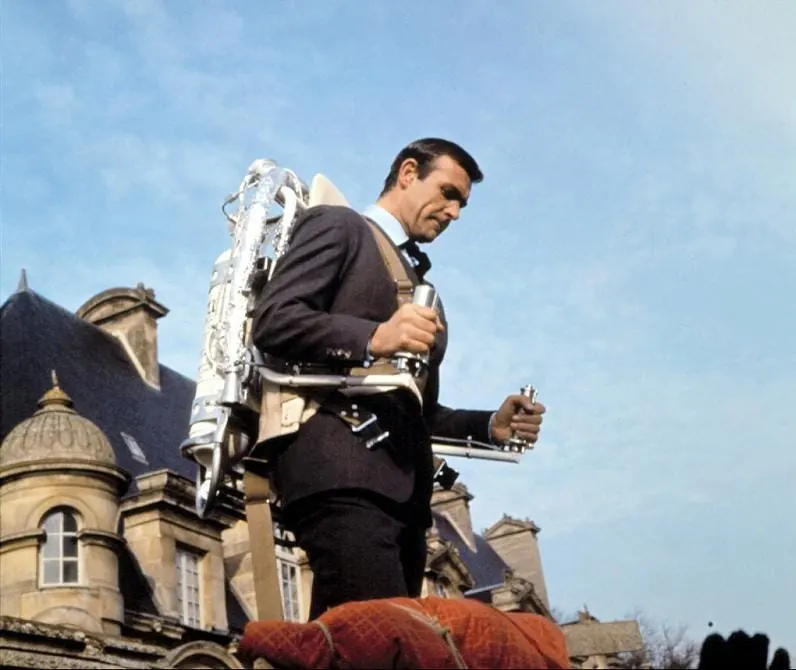
Jetpacks would give people the opportunity to fly freely like a bird with rockets attached to the back. In the dream scenario, a person could take off vertically with a small rocket engine to attach to his back and fly over short distances. In this way, military units would overcome the obstacles in the field, firefighters would reach the top of high-rise buildings by rockets, and a businessman experiencing a urban transportation jam would be able to take off from the roof and put into his office. In short, the individual flight freedom we saw in the Jetgiller and science-fiction movies would be real. In the 1960s, Popular Mechanics magazine wrote that jetpack was the “personal means of transportation of the future”. Anyway, if these magazines say what is like that, your future, it’s a shit. Even our technology design teacher in primary school often explained that he dreamed that when he grew up as a child, he would go to school with jetpack, but he was spent on the roads with Renault clio.
As I said, this vision was so tempting that even the US military considered it a serious mobility option. In 1961, Bell Aerosystems developed a prototype of a “Rocket Belt” for the U.S. military, and in April 1961, for the first time, a human managed to free fly for 21 seconds. This image created a great sensation at that time. After the first jetpack image, people were approached with suspicion, but viewers were fascinated by public jetpack shows. When televisions broadcast these images in the 1960s, people had a hard time believing they were real. The media made headlines “Dreams come true”, magazines like Life printed piloted rocket belt photos. Everyone thought they would own a jetpack in the near future. Then, this device was exhibited at the New York World’s Fair in 1964 and in the James Bond movie (Thunderball) in 1965. The word jetpack has become used to describe personal flight vehicles with rocket fuel or jet turbines. With a jetpack show at the opening of the 1984 Los Angeles Olympics, technology came to the fore again.
However, when years passed and these demonstrations could not go beyond a few minutes, public curiosity slowly faded. Yet the concept of jetpack has always existed in popular culture — the 1991 film The Rocketeer or various video games kept that interest alive. But by the 21st century, jetpacks still didn’t become a means of everyday transport — and today they’re still not used except for a few special shows and hobby startups.
However, companies such as New Zealand’s Martin Aircraft developed jetpack prototypes that could fly longer in the 2010s, demonstration flights were held in Dubai. Public opinion every time “did it happen this time?” Although it was asked, there is no jetpack that has been able to land in the masses yet.
So why not or why not? Jetpack is a typical example of technical realities laging behind dreams because our main problem is physics…

Flying the human body with the rocket with the Jetpack required a tremendous amount of energy, which either carrying very heavy fuel or just being able to fly for a few tens of seconds. As I said, the Bell Rocket Belt in the 1960s could only stay in the air for about 20 seconds. This was not enough for any practical use. Also, it was unrealistic for everyone to use a device that was difficult to control and could be lethal to fall. Although small jet turbine models were developed over time, these remained incredibly noisy and expensive. For example, one of the most advanced jetpacks available today, the device of Gravity Industries can fly for a few minutes with 5 mini jet engines, but it consumes fuel just as fast and requires pilot training. Therefore, the jetpack concept could not go beyond being an expensive show attraction. Military interest in the 1960s also did not yield results; the army found the project “very inefficient and risky” and shelved it. As a result, the jetpack has remained a very difficult dream in the history of technology to realize.
Hologram Home Theaters — 3D Television Fiasco and Endless Quest
One of those famous scenes that remain in our minds from GORA must be the hologram scene.
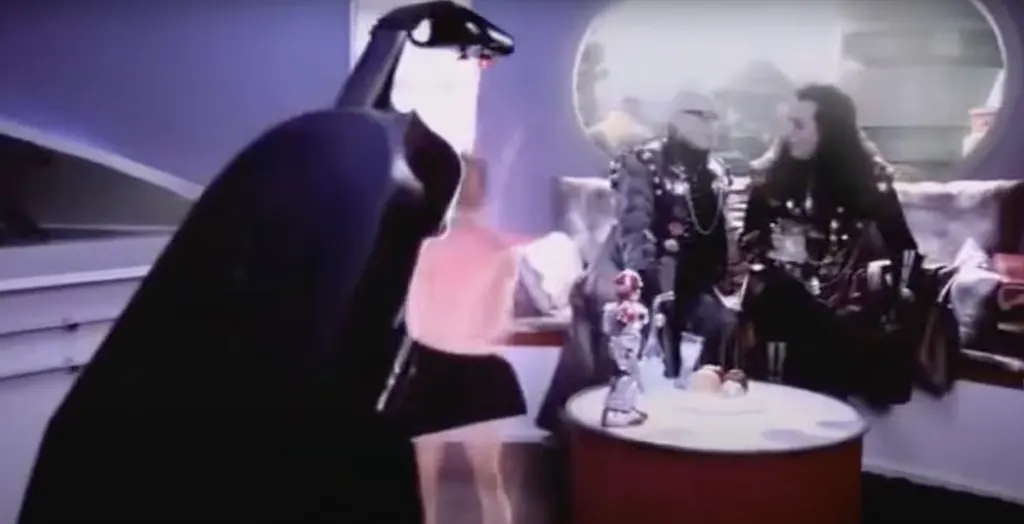
Have you ever been to a 3D cinema, I remember, it should be the first avatar, it was released in 3D cinema. With the emergence of someone who participated in this movie and said that it was in our house, the concept of “holographic home theater” entered our lives. In our imagine hall, there would be systems where three-dimensional images appeared freely, such as in Star Wars, which have been shown in science fiction movies for many years. However, concretely, 3D image technologies entered homes in the early 2010s. In 2010, almost all major TV manufacturers launched their 3D-enabled televisions. At the CES fair in 2010, 3D TVs were presented as the most exciting innovation. The promise in the 3D TV craze was to experience the 3D experience in the cinemas at home. 3D screens, which could be watched with special glasses, would make movies and sports competitions look deeper and more realistic. One step further, it was said that glasses-free 3D (holographic display) technologies would also come in the future. This opened the door to the dream of a live projection that “appeared in the middle of the room”. Assertive expressions such as “hologram concert pleasure at home” were used in the press releases. In short, a revolutionary home entertainment system expectation has been created to replace the traditional flat screen. TV manufacturers believed that they could make this technology a standard feature of high-end products and sell it to millions of consumers.
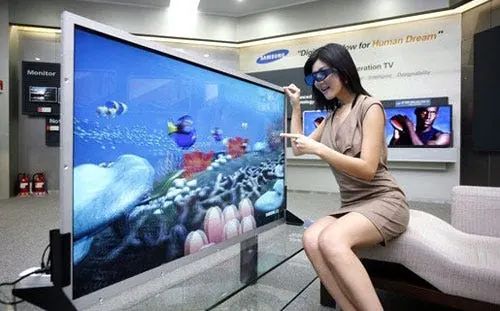
Everyone may have thought that we have entered an era where we would watch 3D movies at home. However, two main problems were faced. Ergonomics and content. People did not like to wear special glasses all the time while watching TV at home, some of them experienced headaches and eye strain while watching 3D images. Not only these, but it may be interesting in theory, but in practice, most people are fond of comfort while watching TV and do not want to deal with extra glasses. In addition, TV at home is an activity usually done with family or friends; as many people could watch 3D glasses, and even this logistics was a hassle. Technically, the first generation 3D TVs had disadvantages such as narrow viewing angle and low brightness.
There was also a problem with the content side: Only certain movies and a few channels offered 3D content, most broadcasts were 2D. This situation quickly reduced enthusiasm. As for 2012–2013, the media began to change tone: “Is 3D TV really necessary?” Their interrogations came out. When sales were far below expectations, retailers reduced stocking on 3D models. Finally, in 2015, major manufacturers started to remove the 3D feature in new models. 3D TV has become seen as an empty marketing trick in public opinion. Within five years, 3D TV “died” — the most exciting novelty in 2010, but in 2015, no one would think of it. The burst of this bubble was so obvious that in 2017, almost no major brand no longer supported 3D.
In fact, in addition to 3D televisions, it may be necessary to mention hologram technology. Literally, holographic projection technologies remained a challenging issue than 3D TV and have not been commercialized except for a few shows. So the “hologram phones” remained as in the Jetgiller episodes.
On the other hand, studies continue in areas such as virtual reality (VR) and augmented reality (AR); if these technologies one day offer a truly satisfying glass-free 3D/hologram experience, maybe the imaginary home theater can come true in another way. However, I still have no doubts about that. But what do you think about the subject of VR as if it was the subject of another article 😊
3. Financial Technology Bubbles (Speculative Crazes)
In this category, I will cover projects that emerge in specific technology areas or new financial instruments, inflated with intense speculation and crazy investment behaviors. These bubbles are often characterized by the exaggerated valuation of a new technology or business model in the financial markets.
Dot-Com Economy — Internet Investment Frenzy
It is useful to keep this speculation, or rather the period of madness, separate from the others, in fact, Dot-Com, which is a speculation that we see the effect on regulations in the long term and the very positive side of the start-up economy, is a speculation among the innovatives of the Y generation. Roughly, it is the period of hyper-speculative investment in internet companies based in the USA between 1995 and 2000.
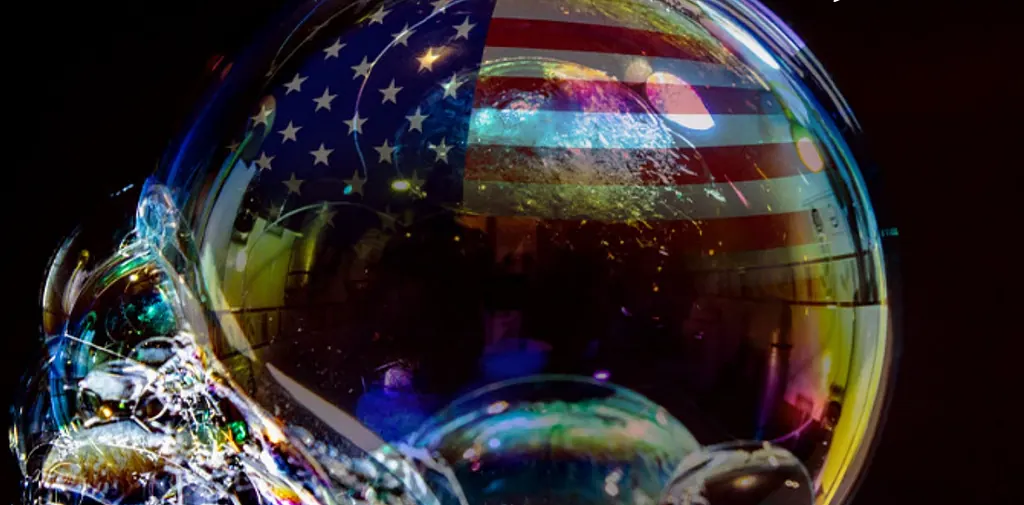
With the spread of web browsers in the mid-1990s, the internet began to be seen as a revolutionary innovation in the business world. And from 1995 to March 2000, technology stocks (especially internet-focused “Dot-Com” companies) experienced astronomical value increases, such as NVIDIA shares flying through 2020. In this period, the NASDAQ stock exchange peaked on March 10, 2000, an increase of up to 800%, which we can call soap foam growth. However, the soap bubble exploded, after March 2000, the wheel reversed, and by the end of 2002, the NASDAQ index fell 78% from its peak, giving back all its gains. With the effect of the interest rate decisions due to the global recession, I can say that the biggest madness in the history of NASDAQ has resulted in a disaster.
The Dot-Com boom was based on a concept called the “New Economy”. It was thought that thanks to the internet, the old ways of doing business would change, and online companies would grow much faster and profit than traditional companies. With the “digital age”, it was predicted that companies that adapt to the internet early in every field (from retail to media, banking) will take over the market. Therefore, even having a company’s name “.com” or just setting up a website was enough to excite investors. The promise was that the internet was an area of unlimited economic growth. The old rules will be invalid, every startup that enlarges its user base will print money in the future. Numerous startups have been valued only through web traffic and “potential” when there is no sustainable business model or revenue yet. Investors rained money on the startup that owns every dot-com site for “fear of missing”. Thus, hundreds of internet startups (Pets.co, Webvan, Etoys, etc.) went public and gathered millions.
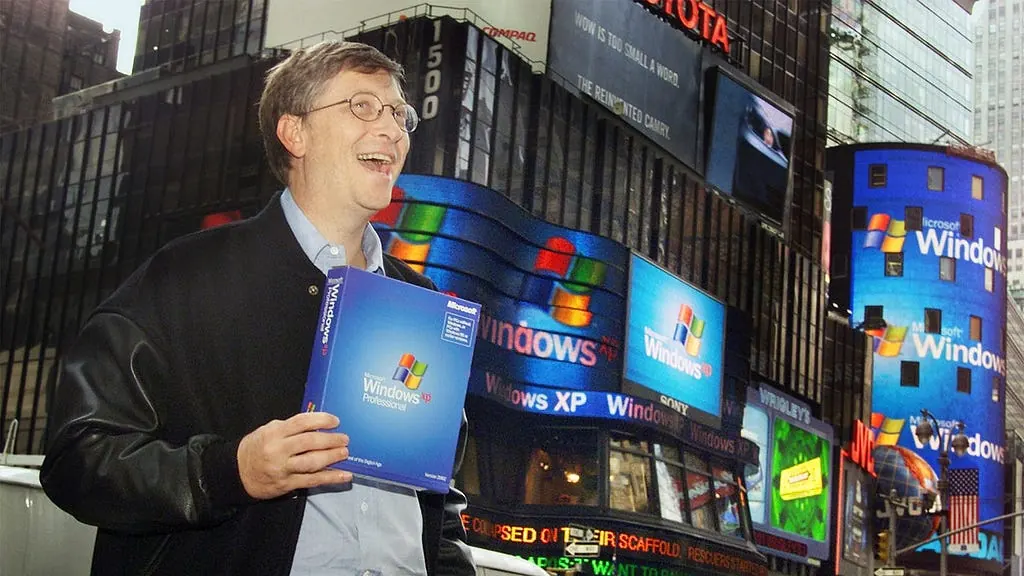
The media could not fit internet initiatives to the ground at the end of the 1990s. Mainstream magazines were profiling new young millionaires, televisions were making “.com rich” news. It was a complete madness for investors.
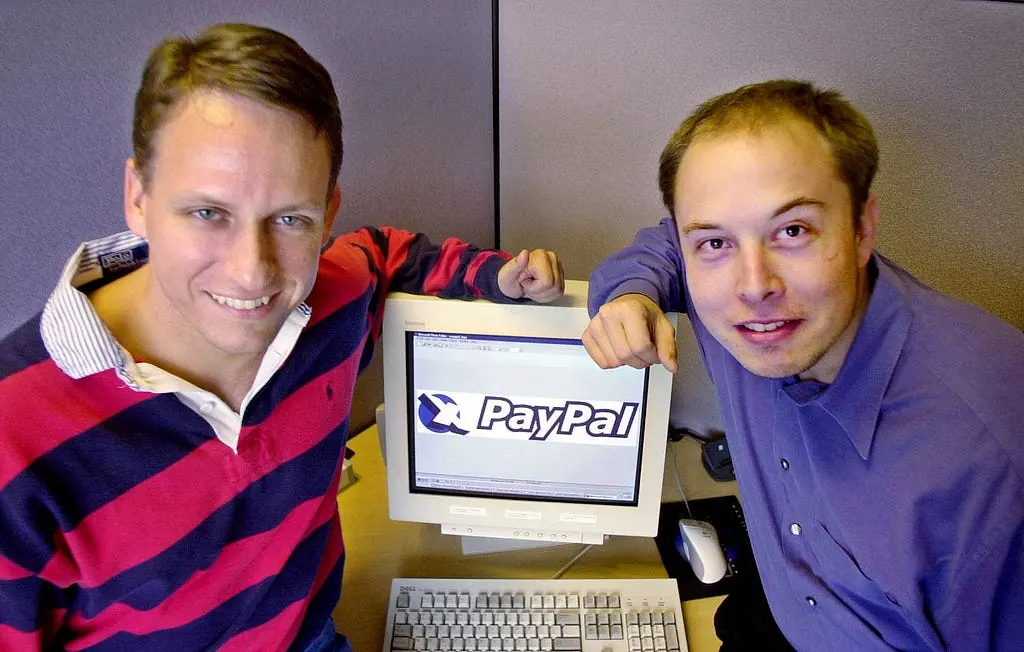
Everyone attacked technology stocks, the stock market has become a casino. Even those who made evaluations with “traditional” criteria were excluded; at that time, discourses such as “there is no need to make a profit, the important thing is the market share” were popular. For example, companies that went public in 1999 had mostly never announced a profit, but their shares were multiplied from the first day. Venture Capital companies were pouring millions of dollars into every internet idea with the fuss of “let’s not miss the new Amazon, the new eBay”. In this period, the number of individual investors entered into the stock market also exploded; Everyone from 7 to 70 was buying dot-com shares with the dream of becoming rich the easy way. In summary, an irrational enthusiasm prevailed. For some reason, it reminds me of something… ANYWAY…
The Dot-Com era in the markets exhibited a classic speculative bubble anatomy. The main problem was that the company values were completely disconnected from their real performance. By 2000, many dot-com companies were actually losing money, some had never even generated revenue, but their market values were billions of dollars. This unsustainable situation has entered a correction period as investors finally realized it. On March 10, 2000, NASDAQ peaked; soon after, news and macroeconomic concerns that some high-profile companies failed to meet their targets triggered the wave of sales. The bubble did not burst after that day — the stocks quickly lost value.
Within a few months, dozens of internet companies have raised the bankruptcy flag. Symbolic Dot-Coms, especially pets.co, webvan, boo.co, sank one after another towards the end of 2000. The collapse of the Dot-Com bubble in 2001 was literally obvious: Investors were left with huge losses, the technology sector laid off thousands of employees. Even giants like Cisco, Amazon, Microsoft lost 80% of their market value. Eventually, thousands of startups were completely deleted, and some of them (startups that grew up like Amazon and eBay and had an income model) managed to survive, although they were greatly injured.
This frenzy shook the US economy in a very short term. In 2001, the US entered a recession, and combined with the global recession, it had an aggravating effect on the process known as the 2002 crisis in America, which caused it to be avaged with accounting scandals in early 2002, and its index took years to recover (it could only return to its level in 2000 in 2015). A generation of individual investors got cold from the stock market. However, in the long run, the legacy left by this madness has not been completely negative, because there is no such thing as losing in the market 😊.
Infrastructured, the internet backbone laid in the 90s, the established data centers, laid the way for the next digital revolution. Surviving companies, for example Amazon, grew with more realistic strategies in the post-bubble period and achieved huge successes. So the bubble burst, but the internet era did not stop — only exaggerated expectations were rashed. Financially, the lasting impact has been that investors are more cautious when evaluating tech companies (at least for a while). The phrase “Dot-Com bubble” passed to the literature as a story of example of excessive market enthusiasm. In later technology mania (for example, in some startup valuations in the 2020s), comparisons were frequently made with the dot-com period. As a result, the dot-com bubble is an unforgettable period with both its destructive results and the aspects that enable us to create a cartel for the next period and pave the ground for the relationship between innovation and realism.
ICO Fury — 2017 Cryptocurrency Supply Bubble
The ICO (Initial Coin Offering) fury peaked especially in 2017. ICO was a method by which blockchain projects raise funds by pre-selling their own cryptocurrencies/tokens to the public. Following the popularization of cryptocurrencies such as Bitcoin and Ethereum, hundreds of projects began to raise money through ICOs from the beginning of 2017.

The promise behind the ICOs was “a new generation of venture capital for everyone”. In other words, anyone could invest in a blockchain project that could be the Google or Facebook of the future with a few clicks while still in the idea stage. Project owners, on the other hand, were able to earn huge funds by selling their own crypto tokens without the need for traditional venture capital. Many ICOs published a technical “whitepaper” and drew a brilliant vision, for example, claims such as “decentralized Uber” or “new internet on Blockchain.” Investors were told that these tokens would be valued when the project was successful.
In addition, ICOs were raising fast and unlimited funds by taking advantage of the regulatory gap. The Promise was like a win-win situation for both entrepreneurs and investors: A democratized investment ecosystem that has overcome traditional financial barriers.
Especially the second half of 2017 was literally a crazy period: Around 50 new ICOs are made monthly, hundreds of millions of dollars of investment were flowing into these projects every month. At the end of 2017, ICOs had attracted 40 times more capital than the previous year.
Throughout 2017, the media showed great interest in ICOs, along with the general increase in cryptocurrency prices. “It raised millions of dollars in that minute”-style headlines became almost weekly news — for example, the Brave browser’s ICO raised $35M in 30 seconds, the Tezos ICO raised $232M. These success stories attracted even more investors. Individual investors from around the world were after catching the next “coin” rich by investing their Ethereum or Bitcoins in new tokens. On investor forums, a massive cycle of hype occurred on social media: A wave of speculative excitement was rising around each new ICO project. On the other hand, some skeptical media outlets and experts began to issue early warnings; reports such as “Half of the ICOs are disappearing in a few months” have emerged. In September 2017, China and South Korea tried to curb ICOs by banning them. In the US, the SEC announced that it will investigate some ICOs. But even these warnings could not fully extinguish the enthusiasm in the first place; Investments continued to flow until the beginning of 2018.
The ICO frenzy was literally a financial bubble because the market was dominated by unrealistic valuations and countless scams. Almost half of the ICOs in 2017 failed and disappeared within a year. Many projects have not improved due to the inexperience of their teams or the impossible promise of the projects; some of them disappeared with money by doing outright “exit scam”.
As the general crypto market declined in early 2018, the ICO bubble began to decline after January 2018. When the value of the existing tokens melted, no new recipients were found. By February 2018, the ICO market had collapsed — token prices were falling 80–90% on the stock exchanges where they were listed, investors were staying with worthless tokens in their hands. Regulators such as the SEC have also sued or imposed penalties on dozens of ICO projects throughout 2018, which accelerated the bursting of the bubble. As a result, hundreds of millions of dollars of investment became steam, thousands of investors wrote serious losses. By mid-2018, the concept of ICO had become largely discredited.
The boom of the ICO bubble launched a bear market in the crypto ecosystem; in 2018–2019, crypto prices remained in an overall downward trend, and many projects were shelved. Investors have learned by taking their lessons to “not jump into every glowing crypto project”. One of its lasting effects is that regulators have scrutinized this area — the US SEC has come to consider ICOs as securities and illegal issuances, clear rules have been introduced or banned for ICOs around the world.
On the other hand, blockchain attempts did not completely end in the post-bubble period; on the contrary, more serious teams and real product-oriented projects emerged. The part we can call the second act of the ICO period (DeFi after 2020 — decentralized finance practices) emerged with the pandemic. In other words, the area cleaned by the bubble opened room for new projects, and there were quite speculative ones. Especially when combined with the dream of metaverse, a new one started before the ICO speculation was over. And just at that time, there was also an NFT madness, and now I will tell you about it. After all, the 2017 ICO cree went down in history as one of the biggest crazes in the history of financial technology, such as “Dot-Com”.
NFT Madness — Digital Collections Bubble
The NFT (Non-Fungible Token) craze is also immediately after the ICO cree, but most notably in 2021, the NFT craze towards the end of the pandemic is one of the projects rising with the metaverse craze.

NFTs were used in various areas, from digital artwork to in-game items, as tokens representing unique digital assets on blockchain. Although the concept of NFT came to the fore in 2017 with Cryptopunks and CryptoKitties, the real explosion took place in the first months of 2021. In March 2021, an NFT work by digital artist Beeple sold for $69 million at the Christie’s auction, it made headlines all over the world. In the following months, there was a volume explosion in NFT markets. The monthly transaction volume on platforms such as OpenSea has reached billions of dollars.
The promises of the NFT craze were in several ways and were very attractive to people from the 3 basics:
- Digital art revolution: Thanks to NFTs, digital artists would be able to sell their works in original and limited quantities, gain copyrights, and the art market would be democratized.
- Digital collection: Sports souvenirs, collection cards, in-game assets would be bought and sold as NFTs, collecting would skip eras.
- Metaverse economy: NFTs would form the basis of the ownership of assets such as plot, clothing, avatar in the virtual worlds of the future; everyone would be able to own virtual real estate.
In summary, NFT advocates were touting it as the future of digital ownership. The building block of the vision called “Web3” would be NFTs. In addition, in terms of investment, NFTs promised incredible returns — for example, stories such as a cheap NFT avatar being valued hundreds of times in a few months have become common. Even paying tens of thousands of dollars for a JPEG painting became reasonable because he had hope that it would be valued even more in the future.
During 2021, NFTs did not fall off the agenda of the mainstream media. Newspapers cashed “digital crypto art craze” headlines; discussions were held on television. Celebrities also jumped on this trend: Footballers, singers released their own NFT collections. Twitter CEO Jack Dorsey sold his first tweet as NFT, with the famous rock band Kings of Leon released an album in NFT format. Investors began to buy NFT in flocks — cartoon monkey avatars from popular NFT collections like the Bored Ape Yacht Club found buyers for hundreds of thousands of dollars. Consisting of only 10–20 pixels, CryptoPunk NFTs were sold at prices exceeding millions of dollars. Meanwhile, NFT marketplaces generated record commission revenues, OpenSea became the unicorn start-up of the year. But there were also criticism: Some economists said it was a bubble, people actually paying exorbitant money for digital images that anyone could copy. In addition, the environmental impact of NFTs (energy consumption of Ethereum blockchain) has also created controversy. But in the moment of madness, all these warnings seemed to be limited.
The NFT market was a bubble due to the excess of speculation and the limited actual usage value. This frenzy continued until the beginning of 2022, but in the spring of the same year, the NFT bubble began to fade; when a general decline in the crypto markets in early 2022 (Bitcoin and Ethereum began to depreciate), the demand for NFTs also declined rapidly, while in mid-2022, transaction volumes and prices fell dramatically.
In May 2022, the Wall Street Journal wrote that the NFT market was “collapsing”; the number of daily NFT sales had decreased by 92% compared to September 2021, the number of active wallets had decreased by 88%. These statistics were proof that the bubble was dying. Macro factors such as rising interest rates also reduced interest in risky assets. The value of NFTs was largely based on expectation; when the new flow of buyers stopped, prices fell rapidly. In mid-2022, the base price of many NFT collections was 80–90% below peak values. For example, Jack Dorsey’s tweet NFT, which sold for $2.5 million, was only able to receive a few thousand dollars offer at auction a year later. Liquidity in the market has dried up, NFTs have started to stay. An analysis conducted as of 2023 revealed that 95% of NFTs are now worthless. After all, the NFT bubble burst noisy after an extraordinary hype period of about a year.
The burst of the NFT bubble meant serious loss for many individual investors — those who took NFTs at a high price had to sell at very low prices or could not find buyers. In the short term, NFT marketplaces started to question their business models as transaction volumes fell; some went to layoffs. In public opinion, the NFT concept has lost its reputation; in 2021, what is called a “groundbreaking innovation” has been referred to as a “just a JPEG bubble” for most people in 2023. However, the lasting effects do not point to the entire negative: the idea of giving digital ownership to artists of NFT technology has not completely disappeared, only the exaggerated valuations in the first wave are gone. Still, some artists and game companies continue to use NFT, albeit cautiously.
In addition, this bubble once again raised the importance of regulation in crypto markets; many countries have taken taxation and investor protection steps for digital assets. In summary, although the NFT craze bubble went out in a short time, it left behind a technological infrastructure, experience and lessons. However, it is now accepted by everyone that the astronomical price levels in 2021 are a bubble and unsustainable. Just like the ICO Bubble, the NFT is referred to as an exemplary period in the history of technology.
At The End Of A Long Article
Although technology bubbles are remembered with negatives, it can also be said that they are part of the innovation ecosystem. The important thing is to take the lessons to be learned from these cycles. In the future, we will probably see new waves of excitement and possible bubbles — for example, a similar hype in the field of artificial intelligence is likely. In the light of the examples discussed in this report, the importance of approaching new developments with both excitement and common sense and making evidence-based evaluation should be emphasized once again.
I leave my sources down and hope to see you in many readings, I say goodbye…
Resources
- The rise and fall of the jetpack
- Why Google Glass Failed
- Dude, where's my flying car? 11 future technologies we're still waiting for - BBC Science Focus Magazine
- Flying cars could soon become a reality
- Squeezed out: widely mocked startup Juicero is shutting down
- Google Glass ceases production 'in present form'
- Exclusive: How Elizabeth Holmes's House of Cards Came Tumbling Down
- Segway stops production, marking the end of a scooter era
- Dot-com bubble - Wikipedia
- Initial coin offering - Wikipedia
- Non-fungible token - Wikipedia
- Theranos - Wikipedia
- Well, That Didn't Work: The Segway Is a Technological Marvel. Too Bad It Doesn't Make Any Sense
- 3D TV Tells You Everything About This Decade's Tech